Table of Contents
- The Power of Emotional Intelligence | Travis Bradberry | TEDxUCIrvine
- What Is Emotional Intelligence in Leadership?
- Why Emotional Intelligence Matters for Leaders
- How Emotional Intelligence Shapes Leadership Effectiveness
- The Impact of Emotional Intelligence on Organizational Culture
- Can Emotional Intelligence Be Developed?
- Emotional Intelligence Is the Future of Leadership
- Sources & Further Reading
- About the Author
- Book a Free Consultation
Emotional intelligence in leadership has become one of the most critical skills for effective, respected, and high-performing leaders. In today’s fast-paced, high-pressure work environments, technical expertise alone is no longer enough. The leaders who truly inspire trust, drive engagement, and sustain long-term success are those who understand and manage emotions, both their own and those of others.
Great leaders don’t suppress emotions or let them run unchecked. Instead, they develop emotional intelligence to navigate challenges with clarity, empathy, and self-control. This ability is what separates reactive leadership from resilient, people-centered leadership.
The Power of Emotional Intelligence | Travis Bradberry | TEDxUCIrvine
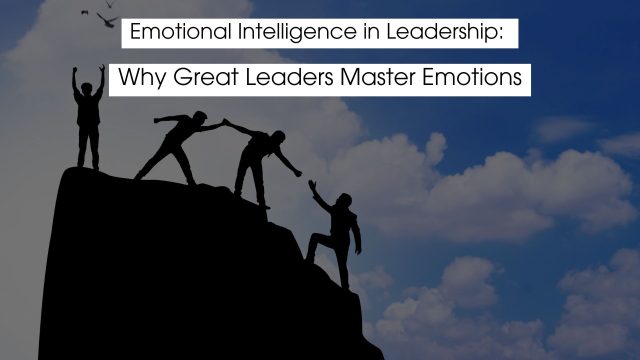
What Is Emotional Intelligence in Leadership?
Emotional intelligence in leadership refers to a leader’s ability to recognize, understand, manage, and influence emotions in themselves and others. It shapes how leaders communicate, make decisions, handle conflict, and motivate teams.
Psychologist Daniel Goleman identifies five core components of emotional intelligence that are especially vital for leaders:
- Self-awareness – understanding your emotions, triggers, strengths, and limitations
- Self-regulation – managing emotional reactions under stress or pressure
- Motivation – maintaining purpose, optimism, and resilience
- Empathy – recognizing and understanding the emotions of others
- Social skills – building trust, collaboration, and effective relationships
When leaders master these skills, they create environments where people feel valued, supported, and empowered.
Why Emotional Intelligence Matters for Leaders
Leadership is not just about strategy, it’s about people. Emotions influence behavior, performance, creativity, and engagement. Leaders who lack emotional intelligence often struggle with communication breakdowns, high turnover, burnout, and low morale.
Emotionally intelligent leaders, on the other hand, are able to:
- Respond calmly during crises
- Build psychological safety within teams
- Navigate difficult conversations with clarity and compassion
- Inspire confidence during uncertainty
- Reduce workplace stress and emotional burnout
Research consistently shows that leaders with high emotional intelligence outperform those with low emotional awareness, especially in people-focused and high-responsibility roles.
How Emotional Intelligence Shapes Leadership Effectiveness
1. Self-Awareness Improves Decision-Making
Self-aware leaders understand how emotions influence their thoughts and actions. Instead of making impulsive decisions driven by fear, ego, or frustration, they pause, reflect, and respond intentionally.
This level of emotional awareness leads to clearer judgment, fewer conflicts, and stronger accountability.
2. Emotional Regulation Builds Trust
Leadership comes with pressure. Emotionally intelligent leaders know how to regulate stress, frustration, and overwhelm without projecting it onto others.
When leaders remain composed during challenges, teams feel safer, more confident, and more willing to take initiative.
3. Empathy Strengthens Team Relationships
Empathy allows leaders to truly listen, understand different perspectives, and respond with compassion. This doesn’t mean avoiding accountability, it means leading with humanity.
Empathetic leadership improves communication, reduces misunderstandings, and fosters loyalty and trust.
4. Emotional Intelligence Enhances Communication
Great leaders communicate not just with words, but with emotional awareness. They read tone, body language, and unspoken signals, adjusting their approach to ensure messages are received clearly and respectfully.
This skill is essential for conflict resolution, feedback delivery, and team alignment.
5. Emotionally Intelligent Leaders Prevent Burnout
Burnout often stems from prolonged emotional stress and lack of support. Leaders with emotional intelligence recognize early warning signs, both in themselves and in their teams.
By addressing emotional strain proactively, they create healthier, more sustainable work environments.
The Impact of Emotional Intelligence on Organizational Culture
Emotional intelligence in leadership directly shapes company culture. Leaders set the emotional tone of an organization. Their reactions, communication style, and emotional awareness ripple throughout teams.
Organizations led by emotionally intelligent leaders often experience:
- Higher employee engagement
- Stronger collaboration and trust
- Lower turnover rates
- Better conflict management
- Increased productivity and morale
Culture isn’t built through policies, it’s built through emotional leadership.
Can Emotional Intelligence Be Developed?
Yes. Emotional intelligence is not a fixed trait, it’s a learnable skill.
Leaders can develop emotional intelligence by:
- Practicing regular self-reflection
- Seeking honest feedback
- Improving emotional awareness through mindfulness
- Learning stress management techniques
- Developing empathy through active listening
- Working with coaches or mentors focused on emotional growth
The most effective leaders commit to ongoing emotional development, understanding that leadership growth is deeply connected to inner awareness.
Emotional Intelligence Is the Future of Leadership
As workplaces become more dynamic, diverse, and emotionally demanding, emotional intelligence in leadership is no longer optional, it’s essential.
Great leaders master emotions not to control others, but to lead with clarity, empathy, and resilience. By developing emotional intelligence, leaders strengthen not only their effectiveness but also the well-being and success of everyone they lead.
Leadership isn’t about power.
It’s about emotional mastery, human connection, and conscious influence.
Sources & Further Reading
Goleman, Daniel. Emotional Intelligence: Why It Can Matter More Than IQ
https://www.danielgoleman.info/topics/emotional-intelligence/
Goleman, Daniel. Leadership That Gets Results – Harvard Business Review
https://hbr.org/2000/03/leadership-that-gets-results
Harvard Business Review – Emotional Intelligence in Leadership
https://hbr.org/topic/emotional-intelligence
American Psychological Association (APA) – Emotional Regulation and Leadership
https://www.apa.org/topics/emotion
Center for Creative Leadership – Why Emotional Intelligence Is Essential for Leaders
https://www.ccl.org/articles/leading-effectively-articles/emotional-intelligence/
MindTools – Emotional Intelligence for Leadership Success
https://www.mindtools.com/behaviors/emotional-intelligence
Verywell Mind – What Is Emotional Intelligence?
https://www.verywellmind.com/what-is-emotional-intelligence-2795423
About the Author
David A. Caren is the creator of Emotional Optimization™ – helping high-performing professionals rewire emotional patterns for clarity, calm, and success.
Book a Free Consultation
What is emotional intelligence in leadership?
Emotional intelligence in leadership is the ability to recognize, understand, manage, and respond effectively to emotions, both your own and those of others. It influences how leaders communicate, make decisions, handle conflict, and build trust within teams.
Why is emotional intelligence important for leaders?
Emotional intelligence is important because leadership is people-centered. Leaders with high emotional intelligence create psychological safety, manage stress effectively, and foster stronger relationships, leading to higher engagement and better performance.
Can emotional intelligence improve leadership performance?
Yes. Emotional intelligence improves leadership performance by enhancing decision-making, communication, empathy, and emotional regulation. Leaders who master emotions are better equipped to navigate challenges and inspire confidence during uncertainty.
Is emotional intelligence more important than technical skills in leadership?
Both are important, but emotional intelligence often has a greater impact on leadership effectiveness. Technical skills may get someone into a leadership role, but emotional intelligence determines how well they lead and retain teams.
Can emotional intelligence be learned or developed?
Yes. Emotional intelligence is a learnable skill. Through self-awareness, reflection, feedback, emotional regulation practices, and coaching, leaders can significantly improve their emotional intelligence over time.

How to Transform Your Life One Day at a Time: Small Daily Changes That Lead to Extraordinary Results
Transform Your Life One Day at a Time: Transforming your life doesn’t happen overnight, it happens one day at a…


How to Develop Unbreakable Self-Discipline: The Ultimate Guide to Building Mental Strength and Consistency
Developing unbreakable self-discipline isn’t about relying on endless motivation or willpower. It’s about building consistent habits, keeping promises to yourself,…
How to Strengthen Your Willpower Every Day: Practical Strategies for Better Self-Control
Strengthening your willpower starts with small, intentional decisions. By reducing distractions, practicing delayed gratification, building supportive routines, and keeping promises…
Personal Development: The Growth Mindset Formula, How to Rewire Your Brain for Success
Personal development begins with one powerful belief: you can improve. The growth mindset formula teaches you how to rewire your…
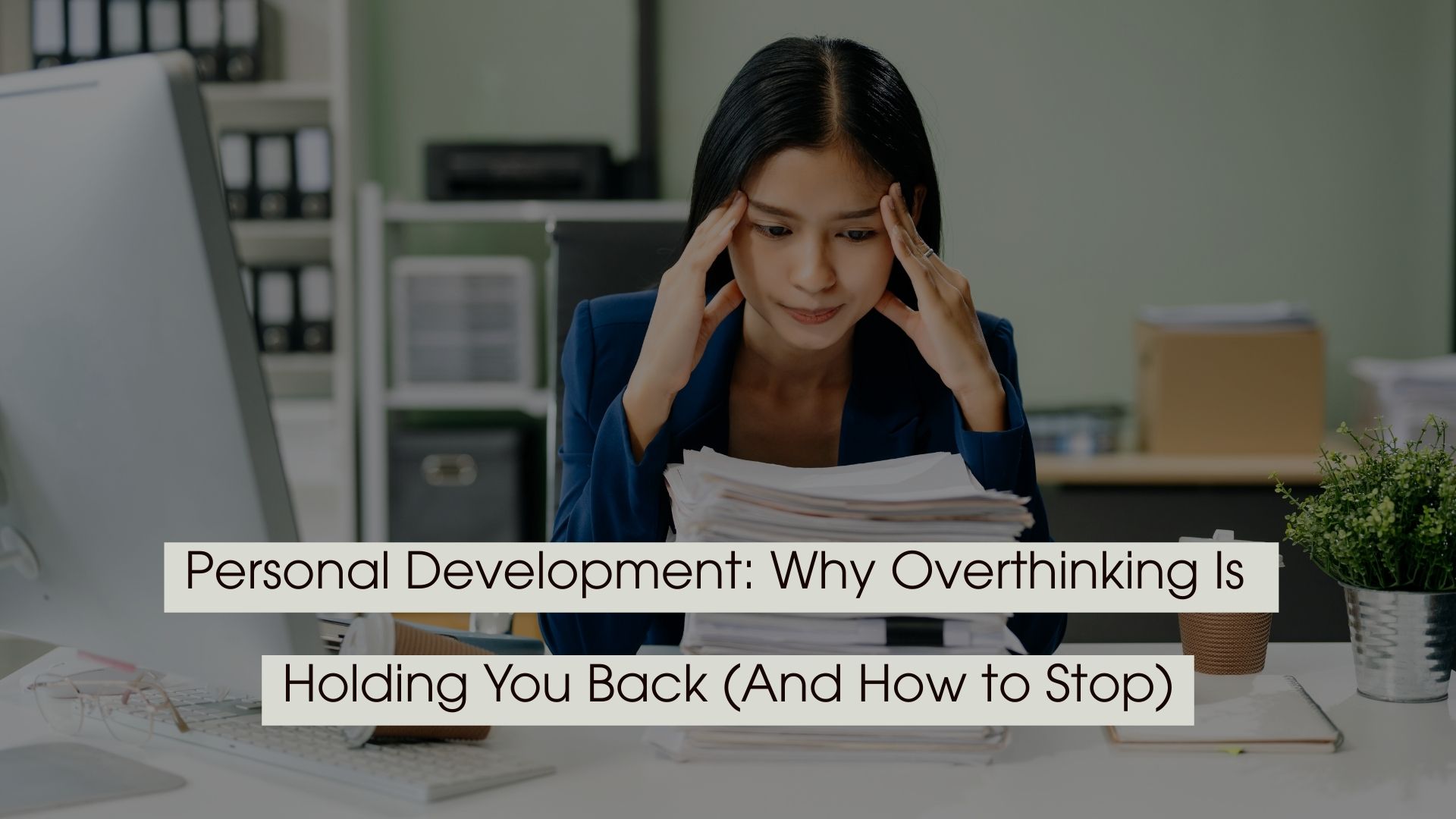
Personal Development: Why Overthinking Is Holding You Back (And How to Stop)
Overthinking feels safe, but it quietly steals your momentum, confidence, and clarity. The more you analyze, the less you act….

How Stop Negative Self-Talk Permanently
Negative self-talk is not permanent, it is a learned pattern that can be rewired. Through awareness, cognitive restructuring, and self-compassion,…