Table of Contents
- What Is Emotional Intelligence? | Business: Explained
- What Is Emotional Optimization?
- Why Loneliness Feels So Intense (The Psychology Behind It)
- Signs You May Be Experiencing Emotional Loneliness
- Emotional Optimization Strategies for Loneliness
- 1. Stop Shaming Yourself for Feeling Lonely
- 2. Name the Real Emotion Under the Loneliness
- 3. Calm the Nervous System Before You Try to “Fix” It
- 4. Stop Using Social Media as Emotional Proof
- 5. Build Connection in Small, Low-Pressure Ways
- 6. Practice Self-Connection (Not Just Social Connection)
- 7. Use Meaning to Reduce Emotional Emptiness
- 8. Don’t Wait to Feel Confident Before Reaching Out
- 9. Create an Emotional Routine for Lonely Days
- 10. Seek Support if Loneliness Is Affecting Your Mental Health
- Final Thoughts: Loneliness Is a Signal, Not a Life Sentence
- Sources & Further Reading
Loneliness isn’t just about being alone.
It’s about feeling emotionally disconnected.
You can be surrounded by people and still feel lonely. You can have friends and still feel unseen. You can be busy and still feel empty inside.
Loneliness often carries emotions like:
- sadness
- anxiety
- insecurity
- rejection
- emptiness
- longing
- emotional fatigue
And because loneliness is painful, many people try to avoid it by:
- scrolling
- distracting themselves
- overworking
- staying in unhealthy relationships
- numbing with food, alcohol, or entertainment
But loneliness doesn’t disappear when you ignore it.
It grows louder.
That’s why emotional optimization matters.
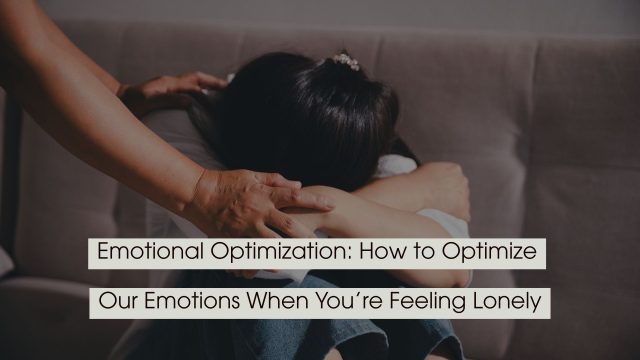
Emotional optimization helps you work with loneliness instead of fighting it, so you can feel calmer, more grounded, and more connected.
What Is Emotional Intelligence? | Business: Explained
What Is Emotional Optimization?
Emotional optimization is the intentional practice of managing emotions in a way that supports your mental health, confidence, and long-term well-being.
When you’re feeling lonely, emotional optimization helps you:
- regulate emotional overwhelm
- reduce overthinking and self-blame
- calm the nervous system
- prevent loneliness from turning into despair
- rebuild self-trust and self-worth
- create healthier connection patterns
It doesn’t mean you “fix” loneliness overnight.
It means you learn how to hold loneliness without letting it destroy your peace.
Why Loneliness Feels So Intense (The Psychology Behind It)
Loneliness isn’t a minor emotion.
Psychologically, loneliness is a survival signal.
Human beings are wired for connection. In early human history, being isolated often meant danger. That’s why loneliness can feel physically painful and emotionally intense.
Loneliness activates stress responses such as:
- heightened anxiety
- hypervigilance
- negative thinking
- emotional sensitivity
- lowered motivation
- fatigue
This is also why loneliness can increase symptoms of depression and anxiety over time.
Your brain is not trying to punish you.
It’s trying to push you toward connection.
Signs You May Be Experiencing Emotional Loneliness
Loneliness can show up in obvious ways, but it can also be subtle.
You may notice:
- feeling disconnected even around others
- craving attention but avoiding people
- sadness at night or when things get quiet
- comparing your life to others
- feeling like nobody truly understands you
- lack of motivation
- emotional numbness
- low self-esteem
- fear of reaching out
If these feel familiar, you’re not alone.
And you’re not broken.
Emotional Optimization Strategies for Loneliness
Below are practical emotional optimization tools to help you manage loneliness in a healthy way.
1. Stop Shaming Yourself for Feeling Lonely
Many people judge themselves for loneliness.
They think:
- “I shouldn’t feel this way.”
- “Something is wrong with me.”
- “Why can’t I just be okay alone?”
But loneliness is not weakness.
Loneliness is a human emotion that signals a need.
Emotional optimization begins with self-compassion:
Loneliness does not mean you are unlovable. It means you are human.
When you stop shaming the emotion, it becomes easier to process.
2. Name the Real Emotion Under the Loneliness
Loneliness often has layers.
Sometimes what you call “lonely” is actually:
- grief
- rejection
- disappointment
- abandonment
- insecurity
- burnout
- boredom
- lack of meaning
- emotional neglect
Emotional optimization helps you get specific.
Ask yourself:
- “What exactly am I missing right now?”
- “Do I want comfort, conversation, validation, or support?”
- “Am I lonely for people, or lonely for emotional safety?”
Clarity reduces emotional confusion.
3. Calm the Nervous System Before You Try to “Fix” It
Loneliness can trigger anxiety, spiraling thoughts, and emotional overwhelm.
That’s because loneliness activates your stress response.
Before you try to solve anything, regulate your body.
A simple emotional optimization tool is:
3-minute nervous system reset
- inhale slowly through your nose
- exhale longer than you inhale
- relax your shoulders and jaw
- place your hand on your chest
- remind yourself: “I’m safe right now.”
This helps loneliness feel less like danger and more like emotion.
4. Stop Using Social Media as Emotional Proof
Social media often makes loneliness worse.
Because when you feel lonely, scrolling can trigger:
- comparison
- jealousy
- self-doubt
- “Everyone else has people” thinking
- feeling left behind
Emotional optimization includes protecting your mental space.
If loneliness is high, limit exposure to:
- relationship content
- friend group posts
- highlight reels
- emotional triggering accounts
This doesn’t mean social media is bad.
It means your emotional state needs protection.
5. Build Connection in Small, Low-Pressure Ways
Loneliness often convinces you: “If I don’t have deep connection, I have nothing.”
But emotional optimization teaches you to build connection gradually.
Small connection counts.
Examples:
- texting one friend
- commenting on a community post
- joining a class
- talking to a coworker
- messaging someone you trust
- joining a support group
- attending an event for 30 minutes
Loneliness reduces when you build consistent connection, not perfect connection.
6. Practice Self-Connection (Not Just Social Connection)
A major cause of loneliness is not just lack of people.
It’s lack of connection with yourself.
Many people feel lonely because they don’t feel emotionally safe within their own mind.
Emotional optimization includes building self-connection through:
- journaling
- self-talk that is kind
- reflecting on your needs
- learning your triggers
- honoring your boundaries
- doing activities that make you feel alive
When you feel connected to yourself, loneliness becomes less overwhelming.
7. Use Meaning to Reduce Emotional Emptiness
Loneliness often feels like emptiness.
And emptiness grows when life feels meaningless.
Emotional optimization includes meaning-building.
Meaning can come from:
- purpose-driven work
- hobbies
- volunteering
- learning a skill
- creative projects
- spiritual practice
- personal growth goals
Meaning doesn’t replace people.
But it reduces emotional emptiness and strengthens resilience.
8. Don’t Wait to Feel Confident Before Reaching Out
Loneliness often comes with fear:
- fear of rejection
- fear of bothering others
- fear of looking needy
- fear of being ignored
But emotional optimization teaches:
Connection requires emotional courage.
Reaching out doesn’t mean you’re desperate.
It means you’re human.
A simple message is enough: “Hey, I’ve been feeling a little off lately. Can we talk sometime?”
9. Create an Emotional Routine for Lonely Days
Loneliness becomes overwhelming when you don’t know what to do with it.
Emotional optimization includes having a plan.
A simple lonely-day emotional routine:
- regulate your nervous system (breathing)
- eat something nourishing
- go outside for a short walk
- do one meaningful activity
- reach out to one person
- reduce social media scrolling
- sleep early if possible
Loneliness feels less powerful when you have structure.
10. Seek Support if Loneliness Is Affecting Your Mental Health
Loneliness can become chronic.
And chronic loneliness can increase the risk of depression, anxiety, and emotional shutdown.
If loneliness affects your:
- sleep
- appetite
- motivation
- relationships
- daily functioning
Support from a therapist, counselor, or coach can make a major difference.
You don’t have to wait until it becomes unbearable.
Final Thoughts: Loneliness Is a Signal, Not a Life Sentence
Loneliness can feel painful, but it doesn’t mean you’re broken.
It means you’re craving connection, safety, and belonging.
Emotional optimization helps you hold loneliness with compassion, regulate the emotional intensity, and take small steps toward real connection, without spiraling into self-blame or hopelessness.
You are not alone in feeling lonely.
And you are not meant to stay there forever.
Sources & Further Reading
Here are reputable resources on loneliness, emotional health, and connection:
- American Psychological Association (APA) – Loneliness, stress, and mental health
- Centers for Disease Control and Prevention (CDC) – Social connection and health outcomes
- National Institute of Mental Health (NIMH) – Depression, anxiety, and emotional well-being
- Harvard Health Publishing – Loneliness and the mind-body connection
- Greater Good Science Center (UC Berkeley) – Research on belonging, resilience, and well-being
- Cacioppo, J. T. & Patrick, W. (2008). Loneliness: Human Nature and the Need for Social Connection
- Neff, K. (2011). Self-Compassion: The Proven Power of Being Kind to Yourself
About the Author
David A. Caren is the creator of Emotional Optimization™ – helping high-performing professionals rewire emotional patterns for clarity, calm, and success.
Book a Free Consultation
Is loneliness normal even if I have friends?
Yes. Loneliness is about emotional connection, not just social contact. You can have people around you and still feel unseen or disconnected.
Can emotional optimization help loneliness go away?
Emotional optimization helps reduce the intensity of loneliness and prevents emotional spirals. It also helps you take healthier steps toward connection and self-trust.
Why does loneliness feel painful physically?
Because loneliness activates the stress response. The brain interprets isolation as a threat, which can create physical symptoms like tightness, fatigue, and anxiety.
How do I stop comparing myself to others when I feel lonely?
Limit social media exposure during emotional lows and remind yourself that you’re seeing highlight reels, not full realities. Focus on small connection-building actions.
When should I seek professional help for loneliness?
If loneliness affects your daily functioning, mood, sleep, or mental health for weeks or months, therapy or counseling can provide strong support and coping tools.
What Successful People Do Differently Every Day (Daily Habits That Drive Success)
Successful people achieve more by focusing on consistent daily habits rather than relying on motivation. Through discipline, planning, and continuous…

How to Stop Procrastination and Take Action Immediately (Proven Strategies That Work)
Procrastination is driven by avoidance and fear, not laziness. By breaking tasks into small steps, taking immediate action, and removing…
What Is Self-Discipline and Why It Matters: The Foundation of Success and Personal Growth
Self-discipline is the ability to stay committed to your goals, even when motivation fades. By developing consistent habits, strengthening self-control,…

How to Transform Your Life One Day at a Time: Small Daily Changes That Lead to Extraordinary Results
Transform Your Life One Day at a Time: Transforming your life doesn’t happen overnight, it happens one day at a…

How to Develop Unbreakable Self-Discipline: The Ultimate Guide to Building Mental Strength and Consistency
Developing unbreakable self-discipline isn’t about relying on endless motivation or willpower. It’s about building consistent habits, keeping promises to yourself,…
How to Strengthen Your Willpower Every Day: Practical Strategies for Better Self-Control
Strengthening your willpower starts with small, intentional decisions. By reducing distractions, practicing delayed gratification, building supportive routines, and keeping promises…