Table of Contents
- What Is Emotional Optimization?
- Why Anxiety Makes You Feel Out of Control
- Emotional Optimization for Anxiety: Why It Works
- Signs You Need Emotional Optimization for Anxiety
- How to Feel More in Control: Emotional Optimization Strategies for Anxiety
- 1. Learn the Difference Between Anxiety and Intuition
- 2. Use Breathwork to Calm the Body First
- 3. Name the Emotion Instead of Fighting It
- 4. Stop Treating Thoughts as Facts
- 5. Practice Emotional Exposure Instead of Avoidance
- 6. Reduce Overthinking With the “Decision Limit” Rule
- 7. Regulate Your Nervous System Daily (Not Only During Anxiety)
- 8. Strengthen Self-Trust to Reduce Anxiety
- 9. Use Emotional Boundaries to Protect Your Energy
- 10. Replace “Control” With “Capacity”
- How Emotional Optimization Helps Long-Term Anxiety
- When to Seek Professional Support
- Final Thoughts: You Can Feel Calm Again
- Sources & Further Reading
- About the Author
- Book a Free Consultation
Anxiety can make life feel unpredictable, overwhelming, and exhausting. Even when nothing is “wrong,” your mind may race, your body may tense up, and your emotions may feel out of control. For many people, anxiety isn’t just occasional stress, it becomes a constant background feeling that affects focus, confidence, sleep, and daily decision-making.
That’s where emotional optimization for anxiety becomes a powerful tool.
Emotional optimization doesn’t mean forcing yourself to “calm down” or pretending everything is fine. It means learning how to understand your emotional patterns, regulate your nervous system, and respond to anxiety in ways that help you feel more stable, grounded, and in control.
In this article, you’ll learn what emotional optimization is, why anxiety feels so intense, and practical strategies you can start using immediately.
What Is Emotional Optimization?
Emotional optimization is the process of improving how you experience, manage, and respond to emotions so they support your well-being instead of controlling your life.
For anxiety, emotional optimization focuses on:
- recognizing anxious thoughts and triggers
- regulating physical stress responses
- building emotional resilience
- responding intentionally instead of reacting automatically
- strengthening self-trust and emotional safety
It’s not about eliminating anxiety completely.
It’s about reducing its power and impact.
Why Anxiety Makes You Feel Out of Control
Anxiety is not just “overthinking.” It’s a full mind-body response.
When your brain perceives a threat, even an imagined one, it activates your nervous system’s fight-or-flight mode. That creates symptoms such as:
- racing thoughts
- rapid heartbeat
- shallow breathing
- tight chest
- restlessness
- stomach discomfort
- difficulty focusing
- irritability
The brain doesn’t always know the difference between:
- a real danger
and - the fear of being judged, failing, or losing control
So anxiety often feels like an emergency, even when you’re physically safe.
Emotional Optimization for Anxiety: Why It Works
Emotional optimization works because it targets the root of anxiety:
1. Your nervous system
Anxiety lives in the body. Emotional optimization helps calm the nervous system so the mind can think clearly again.
2. Your thought patterns
Anxiety is fueled by cognitive distortions such as worst-case thinking, catastrophizing, and overestimating danger.
3. Your emotional habits
Many people unintentionally reinforce anxiety through avoidance, reassurance-seeking, perfectionism, and overthinking.
Emotional optimization teaches you healthier emotional habits that reduce anxiety over time.
Signs You Need Emotional Optimization for Anxiety
You may benefit from emotional optimization if you experience:
- constant overthinking
- fear of making the wrong decision
- trouble relaxing even when resting
- tension in your body
- irritability or emotional sensitivity
- anxiety before social situations
- panic symptoms or racing heart
- avoidance of challenges
- difficulty sleeping
- feeling emotionally overwhelmed
If this sounds like you, you’re not alone, and you’re not broken.
How to Feel More in Control: Emotional Optimization Strategies for Anxiety
Below are practical and evidence-based strategies that help you regulate anxiety and regain emotional control.
1. Learn the Difference Between Anxiety and Intuition
Many people confuse anxiety with intuition.
- Anxiety is loud, urgent, and fear-based.
- Intuition is calm, quiet, and clear.
Anxiety says: “Something bad will happen.”
Intuition says:“Something feels off—pay attention.”
When you learn to recognize the difference, you stop letting fear guide your decisions.
2. Use Breathwork to Calm the Body First
One of the fastest emotional optimization tools for anxiety is regulated breathing.
A simple technique:
4-6 Breathing
- Inhale for 4 seconds
- Exhale for 6 seconds
- Repeat for 2–3 minutes
Longer exhales signal safety to the nervous system.
When your body calms down, your mind becomes easier to manage.
3. Name the Emotion Instead of Fighting It
Anxiety grows when you resist it.
Emotional optimization teaches you to label what you feel.
Try saying:
- “I feel anxious.”
- “I feel uncertain.”
- “I feel overwhelmed.”
- “I feel afraid of failure.”
This technique reduces emotional intensity because it activates the rational part of the brain.
4. Stop Treating Thoughts as Facts
Anxiety often feels like certainty.
But most anxious thoughts are predictions, not truth.
Examples:
- “This will go badly.”
- “I can’t handle this.”
- “Everyone will judge me.”
- “I’ll mess everything up.”
A powerful emotional optimization habit is asking: “Is this a fact—or a fear?”
That one question can interrupt spiraling thoughts instantly.
5. Practice Emotional Exposure Instead of Avoidance
Avoidance is one of the biggest anxiety amplifiers.
When you avoid something, your brain learns: “That situation is dangerous.”
So the fear grows.
Emotional optimization encourages gradual exposure:
- take small steps
- stay present through discomfort
- prove to your brain you can handle it
Confidence is built through repeated emotional exposure, not avoidance.
6. Reduce Overthinking With the “Decision Limit” Rule
Anxiety often shows up as endless decision-making.
Try setting limits like:
- “I will decide in 10 minutes.”
- “I will pick the best option and move forward.”
- “I will stop researching after 3 sources.”
This prevents anxiety from hijacking your time and energy.
7. Regulate Your Nervous System Daily (Not Only During Anxiety)
One major mistake is only using coping tools when anxiety is extreme.
Emotional optimization works best when it becomes a daily practice.
Helpful daily nervous system habits include:
- walking outside
- stretching
- journaling
- hydration
- sunlight exposure
- reducing caffeine
- consistent sleep schedule
These small actions reduce baseline anxiety over time.
8. Strengthen Self-Trust to Reduce Anxiety
Anxiety often comes from one core belief: “I can’t handle what might happen.”
Self-trust changes that.
When you trust yourself, you think: “Even if something goes wrong, I’ll figure it out.”
Emotional optimization and self-trust go together. The more you prove to yourself you can handle discomfort, the less anxiety controls your life.
9. Use Emotional Boundaries to Protect Your Energy
Many anxious people absorb too much:
- other people’s moods
- responsibilities
- emotional labor
- expectations
Emotional optimization teaches you boundaries like:
- saying no without guilt
- not over-explaining
- limiting exposure to negativity
- stepping away from draining conversations
Anxiety often decreases when emotional overload decreases.
10. Replace “Control” With “Capacity”
Here’s a key mindset shift:
You don’t need to control everything.
You need to increase your ability to handle things.
Anxiety fades when you stop trying to control life and start building emotional capacity.
Ask yourself:
- “What can I handle today?”
- “What’s the next small step?”
- “How can I support myself emotionally?”
This creates real stability.
How Emotional Optimization Helps Long-Term Anxiety
Over time, emotional optimization helps you:
- reduce stress sensitivity
- feel safer in your body
- stop spiraling into worst-case thinking
- recover faster after anxious moments
- become more confident in uncertainty
- build emotional resilience
- feel more in control of your reactions
The goal isn’t a life without anxiety.
The goal is a life where anxiety doesn’t control your choices.
When to Seek Professional Support
Emotional optimization is powerful, but sometimes anxiety needs deeper support.
Consider speaking with a therapist if anxiety:
- affects sleep consistently
- causes panic attacks
- interferes with work or relationships
- creates avoidance that limits your life
- leads to depression or emotional numbness
Professional support can help you address root causes and create long-term healing.
Final Thoughts: You Can Feel Calm Again
Anxiety can feel like a constant battle, but you don’t have to live at the mercy of your emotions.
With emotional optimization, you learn to:
- understand what you feel
- calm your nervous system
- respond with intention
- build self-trust
- strengthen emotional resilience
You don’t need to eliminate anxiety to feel in control.
You just need the tools to handle it.
And those tools are learnable.
Sources & Further Reading
Here are trusted, research-based sources and highly respected books that support the strategies discussed in Emotional Optimization for Anxiety: How to Feel More in Control:
Psychology & Mental Health Organizations
- American Psychological Association (APA) – Anxiety, stress, and emotional regulation resources
- National Institute of Mental Health (NIMH) – Anxiety disorders and symptoms
- Anxiety & Depression Association of America (ADAA) – Tools and education on anxiety management
- Mayo Clinic – Anxiety, coping strategies, and lifestyle recommendations
- Cleveland Clinic – Emotional regulation and stress response education
Research & Evidence-Based Work
- Gross, J. J. (1998). The emerging field of emotion regulation: An integrative review. Review of General Psychology.
- Beck, A. T. Cognitive Behavioral Therapy (CBT) research and cognitive distortion frameworks
- Deci, E. L., & Ryan, R. M. Self-Determination Theory (motivation, emotional needs, resilience)
- Studies on affect labeling, breath regulation, and nervous system activation (commonly referenced in emotional regulation research)
About the Author
David A. Caren is the creator of Emotional Optimization™ – helping high-performing professionals rewire emotional patterns for clarity, calm, and success.
Book a Free Consultation
What is emotional optimization for anxiety?
Emotional optimization for anxiety is the practice of managing anxious emotions in a healthier, more intentional way. It helps you regulate your nervous system, reduce overthinking, and respond to stress with more clarity and control.
Can emotional optimization reduce anxiety naturally?
Yes. Emotional optimization uses natural strategies like breath regulation, emotional awareness, cognitive reframing, and nervous system support. These techniques can reduce anxiety over time, especially when practiced consistently.
How is emotional optimization different from emotional suppression?
Emotional suppression means ignoring or pushing emotions away. Emotional optimization means acknowledging emotions, understanding them, and regulating them so they don’t control your behavior or overwhelm your body.
Why does anxiety make me feel like I’m losing control?
Anxiety activates your fight-or-flight response, which affects your breathing, heart rate, thinking, and focus. This makes anxiety feel urgent and intense, even when no real danger exists.
What is the fastest emotional optimization tool for anxiety?
One of the fastest tools is regulated breathing, such as slow breathing with longer exhales. This signals safety to your nervous system and can reduce anxiety within minutes.

How to Transform Your Life One Day at a Time: Small Daily Changes That Lead to Extraordinary Results
Transform Your Life One Day at a Time: Transforming your life doesn’t happen overnight, it happens one day at a…


How to Develop Unbreakable Self-Discipline: The Ultimate Guide to Building Mental Strength and Consistency
Developing unbreakable self-discipline isn’t about relying on endless motivation or willpower. It’s about building consistent habits, keeping promises to yourself,…
How to Strengthen Your Willpower Every Day: Practical Strategies for Better Self-Control
Strengthening your willpower starts with small, intentional decisions. By reducing distractions, practicing delayed gratification, building supportive routines, and keeping promises…
Personal Development: The Growth Mindset Formula, How to Rewire Your Brain for Success
Personal development begins with one powerful belief: you can improve. The growth mindset formula teaches you how to rewire your…
Personal Development: Why Overthinking Is Holding You Back (And How to Stop)
Overthinking feels safe, but it quietly steals your momentum, confidence, and clarity. The more you analyze, the less you act….
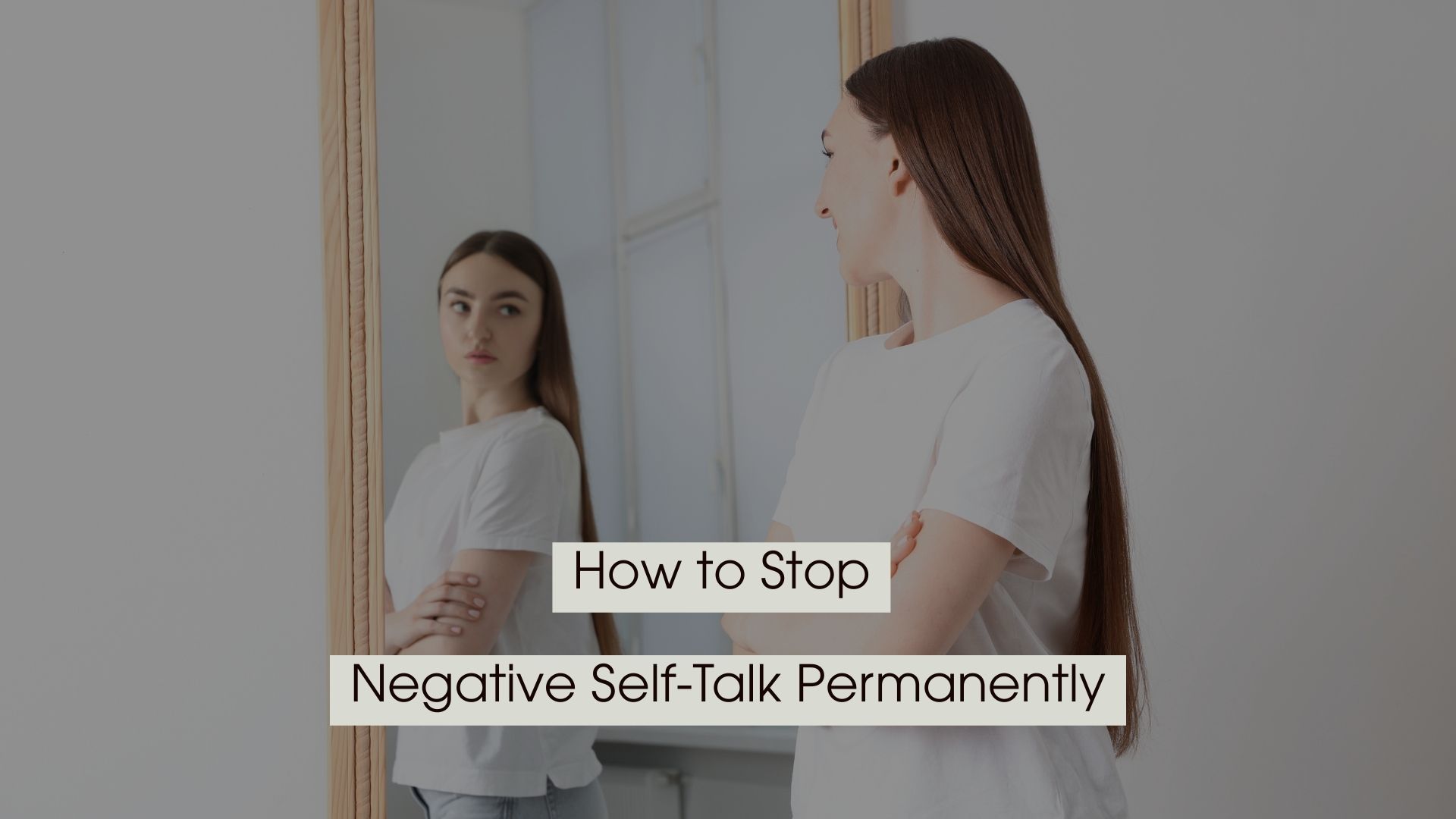
How Stop Negative Self-Talk Permanently
Negative self-talk is not permanent, it is a learned pattern that can be rewired. Through awareness, cognitive restructuring, and self-compassion,…