Table of Contents
- Growth Mindset vs. Fixed Mindset
- What Is a Growth Mindset?
- Growth Mindset vs Fixed Mindset
- Why a Growth Mindset Leads to Success
- The Science Behind a Growth Mindset
- How to Build a Growth Mindset
- 1. Embrace Challenges
- 2. Reframe Failure
- 3. Focus on Effort
- 4. Replace Negative Self-Talk
- 5. Learn Continuously
- 6. Be Patient With Progress
- 7. Surround Yourself With Growth-Oriented People
- The Growth Mindset Loop
- Common Mistakes to Avoid
- How a Growth Mindset Transforms Your Life
- Growth Mindset vs Motivation
- Why Most People Struggle With Mindset
- Conclusion
- Sources and Further Reading
Why do some people grow stronger through challenges while others give up?
The difference often comes down to one powerful factor: Mindset
A growth mindset is the belief that your abilities, intelligence, and skills can improve through effort and learning.
This concept, developed by Carol Dweck, has transformed how we understand success.
Instead of seeing failure as the end, people with a growth mindset see it as part of the process.
In this article, you’ll learn how to build a growth mindset that supports long-term success and personal development.
Growth Mindset vs. Fixed Mindset
What Is a Growth Mindset?
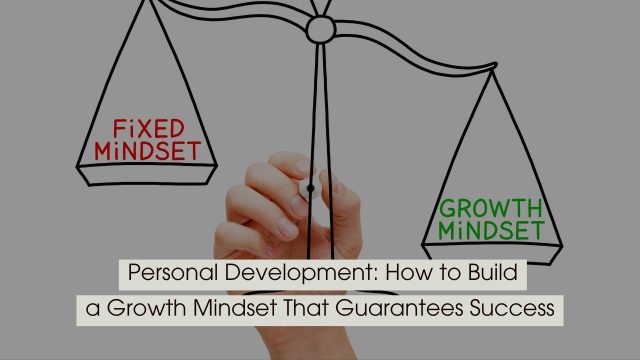
A growth mindset is the belief that you can develop your abilities through effort, learning, and persistence.
It contrasts with a fixed mindset, where people believe their abilities are limited and unchangeable.
Growth Mindset vs Fixed Mindset
| Growth Mindset | Fixed Mindset |
|---|---|
| Embraces challenges | Avoids challenges |
| Learns from failure | Fears failure |
| Values effort | Seeks quick results |
| Adapts and improves | Stays stuck |
Your mindset shapes your behavior and results.
Why a Growth Mindset Leads to Success
A growth mindset helps you:
- Stay resilient during challenges
- Learn from mistakes
- Improve continuously
- Take action despite fear
Psychologist Angela Duckworth highlights that persistence (grit) is a key factor in long-term success.
The Science Behind a Growth Mindset
The brain is capable of change.
This ability, known as neuroplasticity, allows you to form new habits and skills over time.
When you practice new behaviors repeatedly, your brain adapts.
This means: You are not fixed—you can grow.
How to Build a Growth Mindset
1. Embrace Challenges
Challenges are opportunities to grow.
Instead of avoiding them, lean into them.
2. Reframe Failure
Failure is not the end, it’s feedback.
Each mistake teaches you something valuable.
3. Focus on Effort
Effort is what leads to improvement.
Progress comes from consistent action.
4. Replace Negative Self-Talk
Your thoughts influence your mindset.
Instead of:
- “I can’t do this”
Say:
- “I can learn this”
5. Learn Continuously
Seek knowledge and new experiences.
Growth requires learning.
6. Be Patient With Progress
Growth takes time.
Success is built through consistent effort.
7. Surround Yourself With Growth-Oriented People
Your environment influences your mindset.
Choose people who support growth and improvement.
The Growth Mindset Loop
Challenge → Effort → Learning → Growth → Confidence
Each step reinforces the next.
Common Mistakes to Avoid
Avoiding Challenges
Growth requires discomfort.
Fear of Failure
Failure is part of learning.
Expecting Quick Results
Growth takes time and consistency.
Comparing Yourself to Others
Focus on your own progress.
How a Growth Mindset Transforms Your Life
A growth mindset impacts:
- Career success
- Relationships
- Confidence
- Personal development
It allows you to adapt, improve, and achieve more over time.
Growth Mindset vs Motivation
Motivation starts the process.
A growth mindset sustains it.
When you believe you can improve, you are more likely to take action consistently.
Why Most People Struggle With Mindset
People often struggle because they:
- Fear failure
- Avoid discomfort
- Seek quick results
- Doubt their abilities
Changing your mindset requires awareness and effort.
Conclusion
Building a growth mindset is one of the most powerful steps you can take in personal development.
It allows you to see challenges as opportunities, failure as feedback, and effort as the path to success.
You are not limited by your current abilities.
You can learn, grow, and improve.
Start small. Stay consistent. Embrace the process.
Because success is not determined by talent, it is built through mindset.
Sources and Further Reading
- Carol Dweck – Growth mindset research
- Angela Duckworth – Grit and persistence
- Dweck, C. (2006). Mindset
- Duckworth, A. (2016). Grit
About the Author
David A. Caren is the creator of Emotional Optimization™ – helping high-performing professionals rewire emotional patterns for clarity, calm, and success.
Book a Free Consultation
What is a growth mindset?
A belief that abilities can improve through effort and learning.
Why is a growth mindset important?
It supports resilience, learning, and long-term success.
Can mindset really change?
Yes. The brain can adapt through neuroplasticity.
How do I develop a growth mindset?
Embrace challenges, learn from failure, and stay consistent.
Is a growth mindset better than talent?
Yes. Effort and persistence often lead to greater success.

How to Stop Procrastination and Take Action Immediately (Proven Strategies That Work)
Procrastination is driven by avoidance and fear, not laziness. By breaking tasks into small steps, taking immediate action, and removing…


What Is Self-Discipline and Why It Matters: The Foundation of Success and Personal Growth
Self-discipline is the ability to stay committed to your goals, even when motivation fades. By developing consistent habits, strengthening self-control,…

How to Transform Your Life One Day at a Time: Small Daily Changes That Lead to Extraordinary Results
Transform Your Life One Day at a Time: Transforming your life doesn’t happen overnight, it happens one day at a…

How to Develop Unbreakable Self-Discipline: The Ultimate Guide to Building Mental Strength and Consistency
Developing unbreakable self-discipline isn’t about relying on endless motivation or willpower. It’s about building consistent habits, keeping promises to yourself,…
How to Strengthen Your Willpower Every Day: Practical Strategies for Better Self-Control
Strengthening your willpower starts with small, intentional decisions. By reducing distractions, practicing delayed gratification, building supportive routines, and keeping promises…

Personal Development: The Growth Mindset Formula, How to Rewire Your Brain for Success
Personal development begins with one powerful belief: you can improve. The growth mindset formula teaches you how to rewire your…