Table of Contents
- The Power of belief — mindset and success | Eduardo Briceno | TEDxManhattanBeach
- The #1 Mindset Shift: From Fixed Thinking to Growth Thinking
- Why This Shift Changes Everything
- The Psychology Behind This Shift
- How This Mindset Impacts Your Life
- How to Make This Mindset Shift
- 1. Catch Your Limiting Thoughts
- 2. Replace Them With Growth Thinking
- 3. Embrace Challenges
- 4. Focus on Progress
- 5. Learn From Failure
- The Mindset Loop
- Common Mistakes to Avoid
- Why This Shift Is So Powerful
- The Real Transformation
- Conclusion
- Sources and Further Reading
Most people think success comes from better strategies, more effort, or more motivation.
But the truth is simpler, and more powerful: Everything changes when your mindset changes.
You can have the best plan, the best tools, and the best intentions, but if your thinking is holding you back, progress will always feel difficult.
There is one mindset shift that stands above the rest.
A shift that can transform how you think, act, and live.
According to Carol Dweck, your mindset determines how you approach challenges, failure, and growth.
In this article, you’ll discover the #1 mindset shift that changes everything, and how to apply it.
The Power of belief — mindset and success | Eduardo Briceno | TEDxManhattanBeach
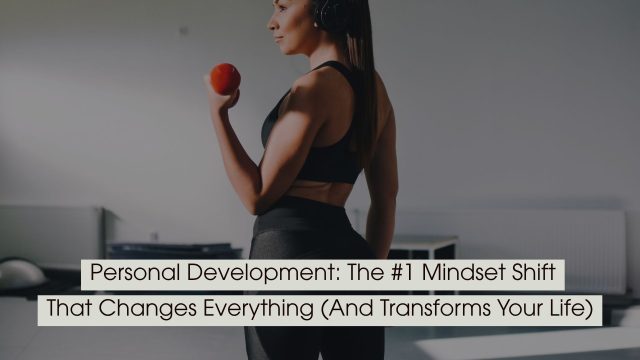
The #1 Mindset Shift: From Fixed Thinking to Growth Thinking
The most powerful shift you can make is this: From “I can’t” → to “I can learn.”
This is the foundation of a growth mindset.
Instead of believing your abilities are fixed, you begin to believe they can improve through effort and learning.
Why This Shift Changes Everything
When you adopt this mindset:
- Challenges become opportunities
- Failure becomes feedback
- Effort becomes valuable
- Progress becomes possible
This shift changes how you respond to every situation in your life.
The Psychology Behind This Shift
The brain is capable of change.
This concept, known as neuroplasticity, means you can develop new skills and ways of thinking over time.
Psychologist Carol Dweck explains that people who believe they can improve are more likely to take action and succeed.
How This Mindset Impacts Your Life
1. You Take More Action
When you believe you can learn, you stop waiting and start doing.
2. You Become More Resilient
Setbacks no longer stop you—they teach you.
3. You Build Confidence
Confidence grows through action and progress.
4. You Achieve More
Consistency and learning lead to results.
How to Make This Mindset Shift
1. Catch Your Limiting Thoughts
Pay attention to thoughts like:
- “I’m not good at this”
- “I can’t do it”
Awareness is the first step.
2. Replace Them With Growth Thinking
Shift your thoughts:
- “I can’t do this” → “I can learn this”
- “I’m not good enough” → “I’m improving”
3. Embrace Challenges
Stop avoiding difficulty.
Growth happens when you push beyond comfort.
4. Focus on Progress
Track improvement instead of perfection.
Small wins matter.
5. Learn From Failure
Failure is not the end, it’s part of the process.
Psychologist Angela Duckworth highlights that persistence is key to success.
The Mindset Loop
Thought → Action → Result → Belief
Change your thoughts, and everything else follows.
Common Mistakes to Avoid
Waiting Until You Feel Ready
Growth happens through action, not waiting.
Avoiding Discomfort
Discomfort is part of progress.
Expecting Instant Results
Mindset shifts take time and consistency.
Comparing Yourself to Others
Focus on your own journey.
Why This Shift Is So Powerful
This mindset shift works because it:
- Removes self-imposed limits
- Encourages action
- Builds resilience
- Supports continuous growth
It changes how you approach life itself.
The Real Transformation
When you shift your mindset:
- Problems become opportunities
- Fear becomes a signal to grow
- Effort becomes meaningful
You stop being stuck, and start moving forward.
Conclusion
The #1 mindset shift that changes everything is simple, but powerful: From “I can’t” to “I can learn.”
This shift transforms how you think, act, and grow.
Personal development is not about becoming perfect, it’s about becoming better.
When you believe you can improve, you unlock your potential.
Start today. Shift your thinking.
Because when your mindset changes, your life changes.
Sources and Further Reading
- Carol Dweck – Growth mindset research
- Angela Duckworth – Grit and persistence
- Dweck, C. (2006). Mindset
- Duckworth, A. (2016). Grit
About the Author
David A. Caren is the creator of Emotional Optimization™ – helping high-performing professionals rewire emotional patterns for clarity, calm, and success.
Book a Free Consultation
What is the most important mindset shift?
Moving from a fixed mindset to a growth mindset.
How can I change my mindset?
Replace limiting thoughts and take consistent action.
Why is mindset important?
It influences your behavior, decisions, and results.
Can mindset really change your life?
Yes. It shapes how you approach challenges and opportunities.
How long does it take to shift mindset?
It varies, but consistency is key.

How to Stop Procrastination and Take Action Immediately (Proven Strategies That Work)
Procrastination is driven by avoidance and fear, not laziness. By breaking tasks into small steps, taking immediate action, and removing…

What Is Self-Discipline and Why It Matters: The Foundation of Success and Personal Growth
Self-discipline is the ability to stay committed to your goals, even when motivation fades. By developing consistent habits, strengthening self-control,…

How to Transform Your Life One Day at a Time: Small Daily Changes That Lead to Extraordinary Results
Transform Your Life One Day at a Time: Transforming your life doesn’t happen overnight, it happens one day at a…

How to Develop Unbreakable Self-Discipline: The Ultimate Guide to Building Mental Strength and Consistency
Developing unbreakable self-discipline isn’t about relying on endless motivation or willpower. It’s about building consistent habits, keeping promises to yourself,…
How to Strengthen Your Willpower Every Day: Practical Strategies for Better Self-Control
Strengthening your willpower starts with small, intentional decisions. By reducing distractions, practicing delayed gratification, building supportive routines, and keeping promises…
Personal Development: The Growth Mindset Formula, How to Rewire Your Brain for Success
Personal development begins with one powerful belief: you can improve. The growth mindset formula teaches you how to rewire your…