Table of Contents
- You 2.0 – What it REALLY Takes to Be the Best Version of Yourself! | Anthony Cheam | TEDxChathamKent
- What Does It Mean to Become the Best Version of Yourself?
- Why Personal Growth Matters
- 1. Develop Self-Awareness
- 2. Set Meaningful Goals
- 3. Build Better Habits
- 4. Strengthen Your Mindset
- 5. Improve Your Physical Health
- 6. Learn Continuously
- 7. Overcome Limiting Beliefs
- 8. Develop Self-Discipline
- 9. Surround Yourself With Positive Influences
- 10. Embrace Failure as Feedback
- The Personal Growth Formula
- Common Mistakes to Avoid
- Daily Habits of Your Best Self
- Why Becoming Your Best Self Is a Lifelong Journey
- Conclusion
- Sources and Further Reading
Most people want a better life.
They want more confidence, better habits, stronger relationships, improved health, and greater success.
But achieving these things starts with one important goal:
Becoming the best version of yourself.
The best version of yourself is not a perfect person.
It’s the version of you that consistently grows, learns, improves, and lives according to your values.
Personal development is a lifelong journey, not a destination.
Every decision you make, every habit you build, and every challenge you overcome shapes who you become.
In this article, you’ll discover practical steps to become the best version of yourself and create a life filled with purpose, growth, and fulfillment.
You 2.0 – What it REALLY Takes to Be the Best Version of Yourself! | Anthony Cheam | TEDxChathamKent
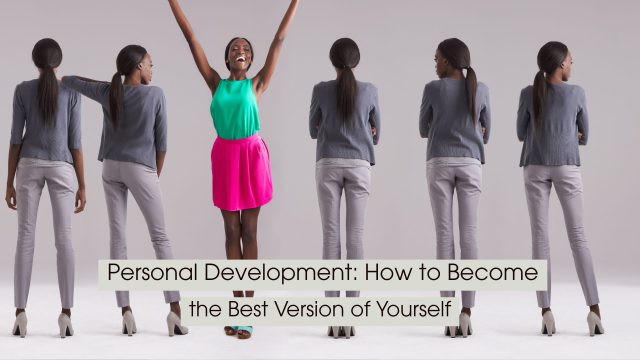
What Does It Mean to Become the Best Version of Yourself?
Becoming the best version of yourself means:
- Maximizing your potential
- Continuously learning and growing
- Living according to your values
- Improving your mindset
- Developing healthy habits
- Taking responsibility for your life
It’s about progress, not perfection.
Why Personal Growth Matters
Personal growth improves every area of life.
Benefits include:
- Greater confidence
- Better decision-making
- Increased resilience
- Stronger relationships
- Higher productivity
- More fulfillment
When you improve yourself, everything around you begins to improve as well.
1. Develop Self-Awareness
Self-awareness is the foundation of personal growth.
You cannot improve what you do not understand.
Ask yourself:
- What are my strengths?
- What are my weaknesses?
- What habits are helping me?
- What habits are holding me back?
Honest self-reflection creates clarity.
2. Set Meaningful Goals
Growth requires direction.
Without goals, it’s easy to drift through life without purpose.
Create goals that align with:
- Your values
- Your passions
- Your long-term vision
Meaningful goals provide motivation and focus.
3. Build Better Habits
Your habits shape your future.
According to James Clear, small improvements repeated consistently lead to remarkable results.
Examples of powerful habits:
- Daily reading
- Exercise
- Journaling
- Goal review
- Gratitude practice
Small habits create lasting change.
4. Strengthen Your Mindset
Your mindset influences your actions and results.
Psychologist Carol Dweck introduced the concept of the growth mindset—the belief that abilities can improve through effort and learning.
A growth mindset helps you:
- Embrace challenges
- Learn from mistakes
- Persist through setbacks
Your mindset determines how far you’ll go.
5. Improve Your Physical Health
Your body affects your mind.
Physical health supports:
- Energy
- Focus
- Confidence
- Emotional well-being
Focus on:
- Regular exercise
- Quality sleep
- Proper nutrition
- Hydration
Taking care of your body improves overall performance.
6. Learn Continuously
The best version of yourself never stops learning.
Invest time in:
- Books
- Courses
- Podcasts
- New skills
Knowledge expands opportunities and accelerates growth.
7. Overcome Limiting Beliefs
Many people remain stuck because of beliefs such as:
- “I’m not good enough.”
- “I’m too old.”
- “I’ll never succeed.”
Challenge these thoughts.
Replace limiting beliefs with empowering ones.
Your beliefs influence your behavior.
8. Develop Self-Discipline
Motivation is temporary.
Discipline creates consistency.
Psychologist Roy F. Baumeister found that self-control plays a major role in achieving long-term goals.
Practice doing what needs to be done, even when you don’t feel like it.
9. Surround Yourself With Positive Influences
Your environment affects your growth.
Spend time with people who:
- Encourage improvement
- Support your goals
- Challenge you positively
The people around you influence your mindset and habits.
10. Embrace Failure as Feedback
Failure is not the opposite of success.
It is part of success.
Every setback contains lessons that can help you grow stronger and wiser.
Successful people use failure as a learning tool.
The Personal Growth Formula
Self-Awareness + Discipline + Consistency + Growth Mindset = Personal Transformation
When these elements work together, meaningful change becomes possible.
Common Mistakes to Avoid
Waiting for Motivation
Motivation comes and goes.
Build systems instead.
Comparing Yourself to Others
Focus on your own progress.
Growth is personal.
Seeking Perfection
Perfection slows progress.
Improvement matters more.
Giving Up Too Soon
Growth takes time.
Stay consistent.
Daily Habits of Your Best Self
Consider building these habits:
- Read for 20 minutes
- Exercise daily
- Practice gratitude
- Review goals
- Learn something new
- Reflect before bed
Small daily actions create extraordinary results over time.
Why Becoming Your Best Self Is a Lifelong Journey
Personal development never truly ends.
There will always be:
- New lessons
- New goals
- New opportunities for growth
The goal is not perfection.
The goal is continuous improvement.
Conclusion
Becoming the best version of yourself is one of the most rewarding journeys you can take.
It requires self-awareness, discipline, healthy habits, and a commitment to lifelong growth.
You don’t need to transform overnight.
You simply need to improve a little every day.
Because the person you become tomorrow is shaped by the choices you make today.
Start now.
Your future self is being built one decision at a time.
Sources and Further Reading
- James Clear – Habit formation and behavior change
- James Clear (2018). Atomic Habits
- Carol Dweck – Growth mindset research
- Carol Dweck (2006). Mindset: The New Psychology of Success
- Roy F. Baumeister – Self-control and willpower research
- Roy F. Baumeister & John Tierney (2011). Willpower: Rediscovering the Greatest Human Strength
- Angela Duckworth – Research on grit and perseverance
- Angela Duckworth (2016). Grit: The Power of Passion and Perseverance
About the Author
David A. Caren is the creator of Emotional Optimization™ – helping high-performing professionals rewire emotional patterns for clarity, calm, and success.
Book a Free Consultation

How to Transform Your Life One Day at a Time: Small Daily Changes That Lead to Extraordinary Results
Transform Your Life One Day at a Time: Transforming your life doesn’t happen overnight, it happens one day at a…


How to Develop Unbreakable Self-Discipline: The Ultimate Guide to Building Mental Strength and Consistency
Developing unbreakable self-discipline isn’t about relying on endless motivation or willpower. It’s about building consistent habits, keeping promises to yourself,…
How to Strengthen Your Willpower Every Day: Practical Strategies for Better Self-Control
Strengthening your willpower starts with small, intentional decisions. By reducing distractions, practicing delayed gratification, building supportive routines, and keeping promises…
Personal Development: The Growth Mindset Formula, How to Rewire Your Brain for Success
Personal development begins with one powerful belief: you can improve. The growth mindset formula teaches you how to rewire your…

Personal Development: Why Overthinking Is Holding You Back (And How to Stop)
Overthinking feels safe, but it quietly steals your momentum, confidence, and clarity. The more you analyze, the less you act….
How Stop Negative Self-Talk Permanently
Negative self-talk is not permanent, it is a learned pattern that can be rewired. Through awareness, cognitive restructuring, and self-compassion,…