Table of Contents
- What Are the Key Elements or Factors in Personal Development
- Why Self-Reflection is Essential for Personal Development
- Daily Practices for Self-Reflection
- Tips to Make Self-Reflection a Habit
- The Impact of Self-Reflection on Personal Development
- Final Thoughts
- Sources & Further Reading
- About the Author
- Book a Free Consultation
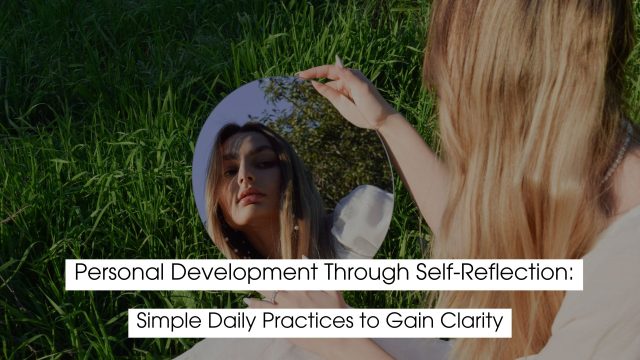
Self-reflection is one of the most powerful tools for personal development. Taking time to pause, evaluate your thoughts, emotions, and actions allows you to gain clarity, make better decisions, and align your life with your goals and values. When practiced consistently, self-reflection can unlock insights, improve emotional intelligence, and strengthen your overall growth journey.
In this guide, we’ll explore simple daily practices that help you harness the power of self-reflection for meaningful personal development.
What Are the Key Elements or Factors in Personal Development
Why Self-Reflection is Essential for Personal Development
Self-reflection gives you the opportunity to:
- Understand your thoughts, emotions, and behaviors
- Identify patterns that support or hinder your growth
- Align daily actions with long-term goals
- Build self-awareness and emotional intelligence
- Make intentional, value-driven decisions
Without reflection, it’s easy to drift through life on autopilot, reacting to situations instead of responding intentionally. Personal development thrives when you regularly examine yourself and your experiences.
Daily Practices for Self-Reflection
1. Keep a Reflection Journal
Spend 5–10 minutes each day writing about your experiences, emotions, and thoughts. Focus on:
- Wins of the day
- Challenges you faced
- Lessons learned
- How you felt and why
Journaling trains your mind to notice patterns and provides a record to track your growth over time.
2. Ask Yourself Daily Questions
Simple, powerful questions can trigger deep insights. Examples:
- What did I do today that made me feel proud?
- Where did I react instead of respond?
- What can I improve tomorrow?
- Did my actions align with my values today?
Answering these consistently nurtures self-awareness and intentional living.
3. Practice Mindful Pause
Take 2–5 minutes to sit quietly and observe your thoughts without judgment.
- Focus on your breath
- Notice recurring emotions
- Recognize your triggers
Mindful pauses help you detach from autopilot thinking, giving your brain space to process and gain clarity.
4. Reflect on Your Goals Weekly
Set aside time once a week to review your goals:
- Are your actions aligned with your objectives?
- What obstacles are blocking your progress?
- What small adjustments can you make?
This ensures your personal development efforts remain focused and purposeful.
5. Celebrate Progress, Not Just Outcomes
Reflection isn’t only about finding mistakes—it’s also about recognizing growth.
- Acknowledge daily wins, even small ones
- Reflect on improvements in mindset or habits
- Appreciate the journey, not just the destination
Celebrating progress reinforces positive behaviors and motivates continued growth.
Tips to Make Self-Reflection a Habit
- Start small: Even 5 minutes daily is effective
- Be consistent: Build it into your morning or evening routine
- Create a comfortable space: A quiet spot encourages focus
- Use prompts: Keep a list of reflection questions handy
- Be honest but kind: Reflection should be insightful, not self-critical
The Impact of Self-Reflection on Personal Development
Regular self-reflection leads to:
- Greater clarity about your life purpose and direction
- Improved decision-making and problem-solving skills
- Stronger emotional intelligence and self-awareness
- Reduced stress and increased mental resilience
- Continuous personal growth and alignment with your values
By committing to daily reflection, you’re investing in a lifelong process of self-improvement and intentional living.
Final Thoughts
Personal development is a journey, not a destination. Self-reflection is the compass that guides you toward clarity, growth, and fulfillment. Simple daily practices—journaling, mindful pauses, asking powerful questions, reviewing goals, and celebrating progress—can transform how you think, act, and grow.
Start today, even with a few minutes, and watch your clarity, confidence, and personal development soar.
Sources & Further Reading
- The Benefits of Journaling: How Reflective Writing Improves Mental Clarity — JM Duna Press, Describes how journaling reduces stress, increases self-awareness, helps process emotions, and improves mental clarity.
- The Psychological & Mental Health Benefits of Journaling — Pierre Health. Explains that regular reflective writing can enhance emotional regulation, self‑awareness, empathy, and overall emotional growth.
- Why Self-Reflection is Important for Mental Health — article on Verywell Mind summarizing research & practices, Highlights how self-reflection promotes self-awareness, emotional control, clearer values, improved decision-making — all central to personal development.
- 10 Habits for Self Improvement (Life Changing & Motivating)– A broad self‑improvement guide that highlights small habits and mindset shifts which support growth and success.
- How Habits Can Change Your Life (and Your Brain) – Explains how consistent habits influence brain wiring and long-term transformation.
- Future Self Journaling ✨ SELF IMPROVEMENT HABITS– Focuses on journaling and reflective practices that help with clarity, self‑growth, and mental alignment.
About the Author
David A. Caren is the creator of Emotional Optimization™ – helping high-performing professionals rewire emotional patterns for clarity, calm, and success.
Book a Free Consultation
What is self-reflection?
Self-reflection is the practice of examining your thoughts, emotions, and actions to gain insight, clarity, and understanding. It’s a core component of personal development and helps you make intentional decisions.
How does self-reflection support personal development?
By regularly reflecting, you increase self-awareness, recognize patterns that hinder growth, align actions with values, and make more intentional choices. Over time, this strengthens your mindset, emotional intelligence, and overall growth.
How often should I practice self-reflection?
Even a few minutes daily is effective. You can reflect in the morning, evening, or during breaks—what matters most is consistency.
What are simple self-reflection practices?
Some practical daily methods include:u003cbru003eJournaling your thoughts, emotions, and lessonsu003cbru003eAsking yourself reflective questions (e.g., “What did I learn today?”)u003cbru003eMindful pauses to observe your thoughts and feelingsu003cbru003eWeekly review of goals and alignment
Can self-reflection reduce stress and improve mental health?
Yes. Reflective practices help process emotions, identify triggers, and clarify priorities, which can reduce overwhelm, anxiety, and improve overall well-being.

How to Transform Your Life One Day at a Time: Small Daily Changes That Lead to Extraordinary Results
Transform Your Life One Day at a Time: Transforming your life doesn’t happen overnight, it happens one day at a…


How to Develop Unbreakable Self-Discipline: The Ultimate Guide to Building Mental Strength and Consistency
Developing unbreakable self-discipline isn’t about relying on endless motivation or willpower. It’s about building consistent habits, keeping promises to yourself,…
How to Strengthen Your Willpower Every Day: Practical Strategies for Better Self-Control
Strengthening your willpower starts with small, intentional decisions. By reducing distractions, practicing delayed gratification, building supportive routines, and keeping promises…

Personal Development: The Growth Mindset Formula, How to Rewire Your Brain for Success
Personal development begins with one powerful belief: you can improve. The growth mindset formula teaches you how to rewire your…

Personal Development: Why Overthinking Is Holding You Back (And How to Stop)
Overthinking feels safe, but it quietly steals your momentum, confidence, and clarity. The more you analyze, the less you act….
How Stop Negative Self-Talk Permanently
Negative self-talk is not permanent, it is a learned pattern that can be rewired. Through awareness, cognitive restructuring, and self-compassion,…