Table of Contents
- The Power of an Entrepreneurial Mindset | Bill Roche | TEDxLangleyED
- Why Personal Development Matters for Remote Workers and Entrepreneurs
- Common Personal Development Challenges in Remote Work and Entrepreneurship
- Personal Development Skills Every Remote Worker and Entrepreneur Needs
- Personal Development Strategies for Remote Workers and Entrepreneurs
- Personal Development and Work-Life Balance
- Final Thoughts: Growth Without Burnout Is Possible
- Sources & Further Reading
- About the Author
- Book a Free Consultation
- Why is personal development important for remote workers and entrepreneurs?
- What personal development skills are most important for remote workers?
- How can remote workers stay motivated without a traditional office structure?
- How does personal development help prevent burnout?
- Can personal development improve work-life balance for entrepreneurs?
Personal development has become more important than ever for remote workers and entrepreneurs. While working remotely or running an online business offers flexibility and freedom, it also brings unique challenges, blurred boundaries, isolation, burnout, and constant mental pressure. Without intentional personal development, productivity can suffer, motivation can fade, and emotional well-being can decline.
This article explores why personal development is essential for remote workers and entrepreneurs, the psychological challenges they face, and practical strategies to grow personally and professionally without sacrificing mental health.
The Power of an Entrepreneurial Mindset | Bill Roche | TEDxLangleyED
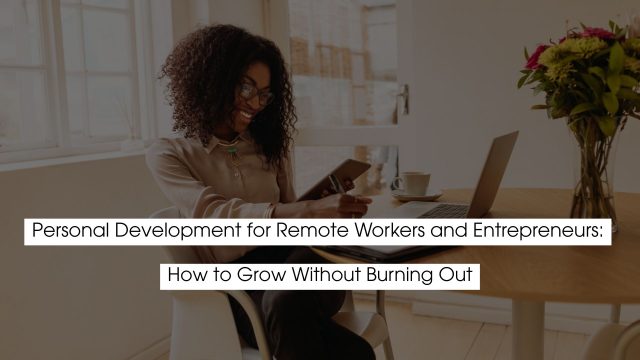
Why Personal Development Matters for Remote Workers and Entrepreneurs
Remote work and entrepreneurship remove traditional structures like office hours, direct supervision, and built-in social interaction. While this autonomy can be empowering, it also demands higher levels of self-awareness, discipline, and emotional regulation.
Personal development helps remote workers and entrepreneurs:
- Build self-discipline and consistency
- Manage stress and emotional overload
- Develop confidence and self-trust
- Prevent burnout and isolation
- Stay aligned with long-term goals and values
Without personal development, freedom can quickly turn into overwhelm.
Common Personal Development Challenges in Remote Work and Entrepreneurship
1. Lack of Structure and Boundaries
When your home becomes your workplace, it’s easy for work to bleed into personal life. Many remote workers struggle to “switch off,” leading to chronic stress and exhaustion.
2. Isolation and Loneliness
Working alone can reduce social connection, which impacts motivation, emotional health, and creativity. Entrepreneurs, in particular, may feel isolated at the top.
3. Burnout and Emotional Fatigue
Constant decision-making, self-pressure, and hustle culture can push remote workers and entrepreneurs toward burnout—even when they love what they do.
4. Imposter Syndrome and Self-Doubt
Without regular feedback, many professionals begin questioning their competence, success, or worth—especially in competitive online spaces.
Personal Development Skills Every Remote Worker and Entrepreneur Needs
Self-Awareness
Self-awareness allows you to recognize emotional triggers, energy patterns, and productivity cycles. It helps you work with your natural rhythm instead of against it.
Daily self-reflection, journaling, or emotional check-ins can dramatically improve focus and emotional balance.
Emotional Intelligence
Emotional intelligence helps you manage stress, communicate effectively, and respond calmly under pressure. For entrepreneurs and remote workers, this skill is critical for leadership, client relationships, and decision-making.
Self-Discipline Without Burnout
True self-discipline isn’t about forcing productivity, it’s about creating systems that support consistency while protecting your mental health.
Personal development teaches you how to:
- Set realistic goals
- Build sustainable routines
- Balance ambition with recovery
Personal Development Strategies for Remote Workers and Entrepreneurs
1. Create Structure That Supports Growth
Design a daily routine that includes:
- Focused work blocks
- Intentional breaks
- Movement and rest
- Clear start and end times
Structure reduces decision fatigue and protects emotional energy.
2. Prioritize Emotional Regulation
Instead of pushing through stress, learn to regulate it. Practices like mindfulness, breathwork, or emotional optimization techniques help prevent emotional buildup that leads to burnout.
3. Build Self-Trust Through Small Wins
Consistency builds confidence. Set small, achievable goals and follow through. Over time, self-trust becomes a powerful foundation for personal development.
4. Invest in Continuous Learning
Personal development thrives on growth. Reading, coaching, courses, and self-reflection keep your mindset adaptable and resilient in a fast-changing digital world.
5. Reconnect With Purpose
Remote workers and entrepreneurs often lose sight of why they started. Revisiting your purpose and values keeps your work meaningful and aligned, especially during challenging seasons.
Personal Development and Work-Life Balance
Personal development is not about doing more, it’s about living better. For remote workers and entrepreneurs, balance comes from intentional boundaries, emotional awareness, and sustainable habits.
True personal growth means:
- Rest without guilt
- Productivity without burnout
- Ambition without self-neglect
When you prioritize personal development, success becomes sustainable rather than exhausting.
Final Thoughts: Growth Without Burnout Is Possible
Personal development for remote workers and entrepreneurs is no longer optional, it’s essential. In a world of constant connectivity and self-management, emotional awareness, self-discipline, and inner clarity are the keys to long-term success.
You don’t need to hustle harder.
You need to grow smarter, emotionally, mentally, and personally.
When personal development becomes part of your daily life, freedom and fulfillment can finally coexist.
Sources & Further Reading
American Psychological Association (APA)
Remote Work and Mental Health
https://www.apa.org/monitor/2020/10/cover-remote-work
Harvard Business Review
How to Avoid Burnout When You Work Remotely
https://hbr.org/2020/04/how-to-avoid-burnout-when-you-work-remotely
World Health Organization (WHO)
Burn-out an “Occupational Phenomenon”
https://www.who.int/news/item/28-05-2019-burn-out-an-occupational-phenomenon
MindTools
Personal Development for Professionals
https://www.mindtools.com/personal-development
McKinsey & Company
What Employees Are Saying About the Future of Remote Work
https://www.mckinsey.com/capabilities/people-and-organizational-performance/our-insights/what-employees-are-saying-about-the-future-of-remote-work
Greater Good Science Center – UC Berkeley
The Science of Well-Being at Work
https://greatergood.berkeley.edu/topic/workplace
Daniel Goleman
Emotional Intelligence: Why It Can Matter More Than IQ
https://www.danielgoleman.info/topics/emotional-intelligence/
Cal Newport
Deep Work: Rules for Focused Success in a Distracted World
https://www.calnewport.com/books/deep-work/
About the Author
David A. Caren is the creator of Emotional Optimization™ – helping high-performing professionals rewire emotional patterns for clarity, calm, and success.
Book a Free Consultation
Why is personal development important for remote workers and entrepreneurs?
Personal development is important because remote work and entrepreneurship require high levels of self-management, emotional resilience, and discipline. Without intentional growth, it’s easy to experience burnout, isolation, or loss of motivation.
What personal development skills are most important for remote workers?
Key skills include self-awareness, emotional intelligence, time management, self-discipline, boundary setting, and stress regulation. These skills support productivity while protecting mental health.
How can remote workers stay motivated without a traditional office structure?
Motivation comes from creating routines, setting clear goals, tracking progress, and reconnecting with purpose. Personal development helps remote workers build internal motivation rather than relying on external structure.
How does personal development help prevent burnout?
Personal development teaches emotional awareness, stress regulation, and healthy boundary setting. These skills allow remote workers and entrepreneurs to recognize early signs of burnout and take action before exhaustion sets in.
Can personal development improve work-life balance for entrepreneurs?
Yes. Personal development helps entrepreneurs set realistic expectations, manage emotional pressure, and create boundaries that protect personal time without sacrificing ambition or growth.

How to Transform Your Life One Day at a Time: Small Daily Changes That Lead to Extraordinary Results
Transform Your Life One Day at a Time: Transforming your life doesn’t happen overnight, it happens one day at a…

How to Develop Unbreakable Self-Discipline: The Ultimate Guide to Building Mental Strength and Consistency
Developing unbreakable self-discipline isn’t about relying on endless motivation or willpower. It’s about building consistent habits, keeping promises to yourself,…
How to Strengthen Your Willpower Every Day: Practical Strategies for Better Self-Control
Strengthening your willpower starts with small, intentional decisions. By reducing distractions, practicing delayed gratification, building supportive routines, and keeping promises…
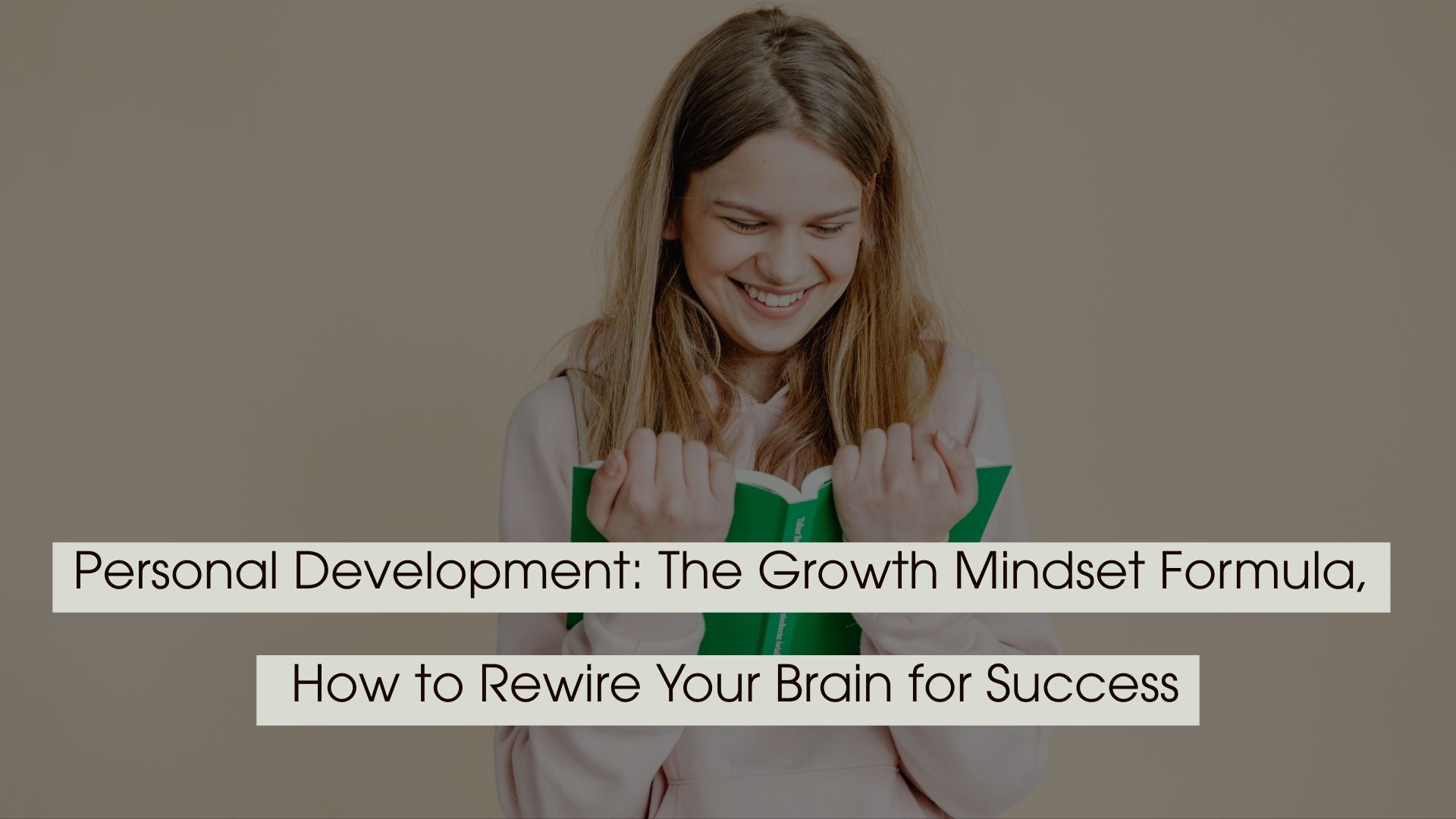
Personal Development: The Growth Mindset Formula, How to Rewire Your Brain for Success
Personal development begins with one powerful belief: you can improve. The growth mindset formula teaches you how to rewire your…
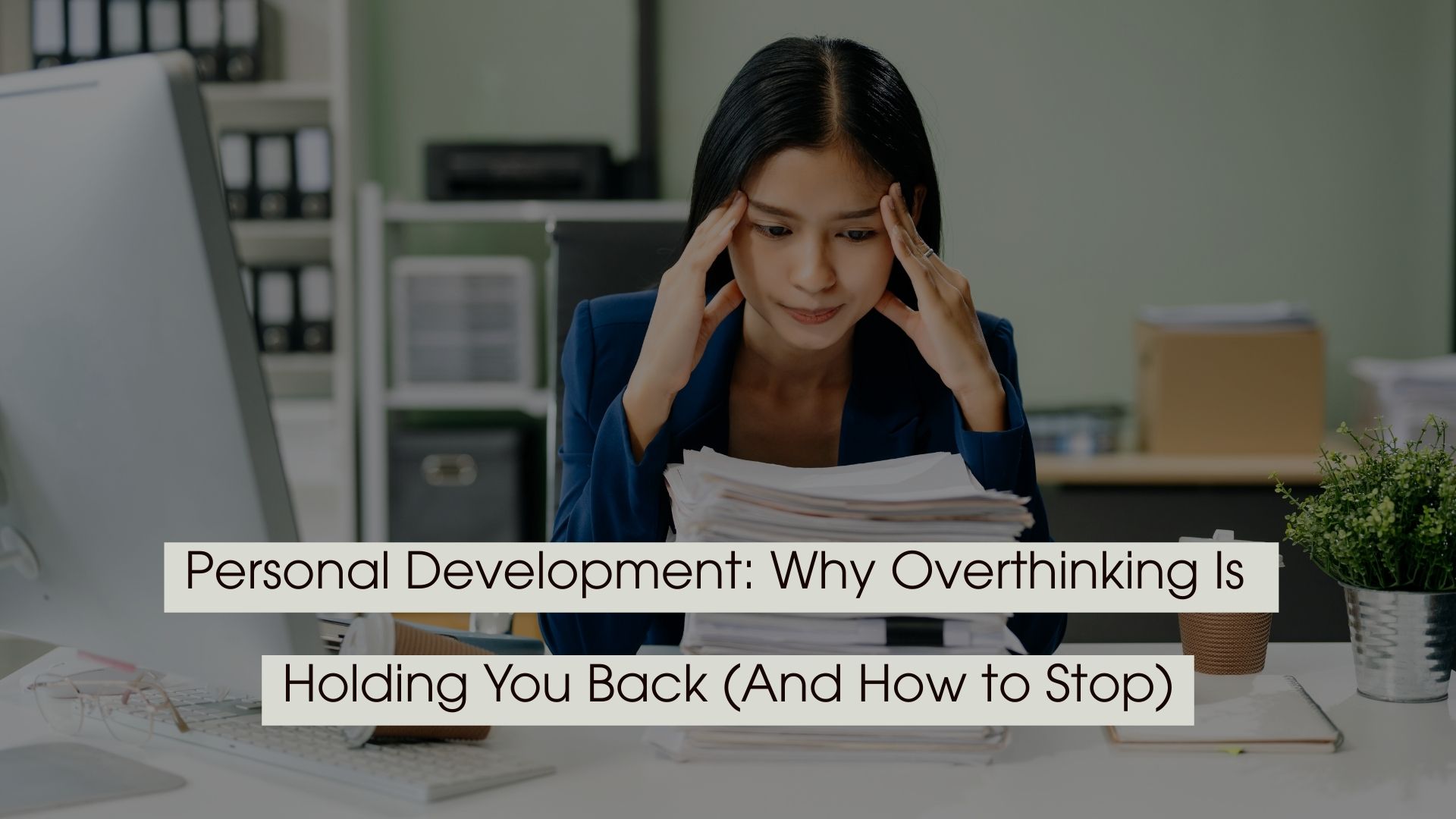
Personal Development: Why Overthinking Is Holding You Back (And How to Stop)
Overthinking feels safe, but it quietly steals your momentum, confidence, and clarity. The more you analyze, the less you act….
How Stop Negative Self-Talk Permanently
Negative self-talk is not permanent, it is a learned pattern that can be rewired. Through awareness, cognitive restructuring, and self-compassion,…