Table of Contents
- The Secret to Personal Growth | Brian Tracy
- What Personal Growth Really Means
- Why Setbacks Are a Natural Part of Growth
- How to Turn Setbacks Into Growth Opportunities
- The Role of Mindset in Personal Growth
- Emotional Resilience: The Key to Long-Term Growth
- How Personal Growth Coaching Helps You Navigate Setbacks
- Signs You’re Growing Through a Setback
- Final Thoughts: Growth Begins Where Comfort Ends
- Sources & Further Reading
- About the Author
- Book a Free Consultation
Setbacks are an unavoidable part of life. Whether it’s a career disappointment, personal failure, or unexpected life change, challenges often feel like roadblocks. But in reality, setbacks are one of the most powerful drivers of personal growth.
When approached with the right mindset, setbacks become teachers, offering clarity, resilience, and direction. Instead of defining your limitations, they can redefine your strength.
This article explores how to turn setbacks into meaningful growth opportunities and why embracing failure is essential for long-term personal development.
The Secret to Personal Growth | Brian Tracy
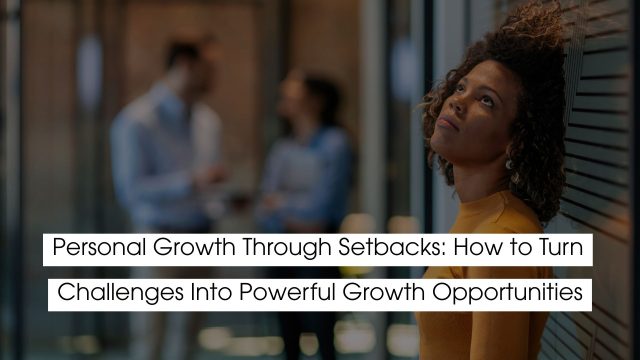
What Personal Growth Really Means
Personal growth is the ongoing process of developing emotional intelligence, resilience, self-awareness, and purpose. It’s not about perfection, it’s about progress.
True personal growth involves:
- Learning from experience
- Developing emotional resilience
- Strengthening self-awareness
- Adapting to change
- Building confidence through adversity
Setbacks often trigger growth because they force reflection, adaptation, and transformation.
Why Setbacks Are a Natural Part of Growth
Every successful individual has experienced setbacks. Failure is not a sign of weakness, it’s evidence of effort.
Setbacks:
- Reveal limiting beliefs
- Test emotional strength
- Highlight areas for improvement
- Build problem-solving skills
- Encourage deeper self-awareness
Without setbacks, growth becomes stagnant. Challenges disrupt comfort zones and create opportunities for change.
How to Turn Setbacks Into Growth Opportunities
1. Reframe the Experience
Instead of asking “Why did this happen to me?”, ask:
“What is this teaching me?”
Reframing helps shift your mindset from victimhood to empowerment.
2. Identify the Lesson
Every setback carries a message, whether it’s about boundaries, preparation, mindset, or resilience. Reflect on:
- What went wrong?
- What could be done differently?
- What strengths did you discover?
3. Practice Emotional Awareness
Growth requires understanding your emotional response. Acknowledge frustration, disappointment, or fear without judgment. Emotional awareness prevents reactive decisions and promotes clarity.
4. Take Responsibility Without Self-Blame
Accountability fuels growth. Blame drains energy.
Recognize your role without attaching shame to the experience.
5. Adjust and Take Intentional Action
Growth happens when insight meets action. Use what you’ve learned to make better choices, set healthier boundaries, or pursue goals with greater clarity.
The Role of Mindset in Personal Growth
A growth mindset transforms obstacles into opportunities. People with a growth mindset:
- View failure as feedback
- Believe skills can be developed
- Embrace challenges
- Stay resilient during setbacks
Shifting your mindset allows you to see setbacks not as endings, but as redirections.
Emotional Resilience: The Key to Long-Term Growth
Emotional resilience is your ability to recover from stress and adversity. It plays a crucial role in how effectively you grow from setbacks.
You can strengthen resilience by:
- Practicing mindfulness
- Journaling lessons learned
- Building supportive relationships
- Prioritizing self-care
- Seeking guidance from a coach or mentor
Resilience doesn’t eliminate hardship, it helps you rise stronger after it.
How Personal Growth Coaching Helps You Navigate Setbacks
A personal development coach can help you:
- Identify limiting beliefs
- Reframe negative experiences
- Create growth-focused goals
- Build emotional intelligence
- Develop long-term confidence
Coaching provides perspective, accountability, and tools that accelerate growth—especially during difficult transitions.
Signs You’re Growing Through a Setback
You may be experiencing personal growth if you:
- Respond with awareness instead of reaction
- Feel more confident after challenges
- Make clearer decisions
- Set stronger boundaries
- Trust yourself more
Growth often feels uncomfortable before it feels empowering.
Final Thoughts: Growth Begins Where Comfort Ends
Setbacks are not signs of failure, they are invitations to evolve. Every challenge you face holds the potential to strengthen your mindset, clarify your purpose, and elevate your personal growth.
When you learn to embrace setbacks instead of resisting them, you unlock resilience, confidence, and lasting transformation.
Growth doesn’t happen despite setbacks, it happens because of them.
Sources & Further Reading
- Dweck, C. S. (2006). Mindset: The New Psychology of Success.
A foundational book on growth mindset and how beliefs shape resilience and achievement.
https://www.mindsetworks.com - American Psychological Association (APA) – Building Your Resilience
Explores evidence-based strategies for recovering from adversity and stress.
https://www.apa.org/topics/resilience - Harvard Business Review – How to Learn From Failure
Insightful research on why failure is essential for long-term success and growth.
https://hbr.org - Greater Good Science Center – UC Berkeley
Research-backed articles on emotional resilience, self-compassion, and personal growth.
https://greatergood.berkeley.edu - Goleman, D. (1995). Emotional Intelligence: Why It Can Matter More Than IQ
Explains how emotional intelligence supports resilience, decision-making, and growth. - Positive Psychology Center – University of Pennsylvania
Evidence-based tools for well-being, mindset shifts, and personal development.
https://ppc.sas.upenn.edu - Verywell Mind – How to Turn Failure Into Growth
Practical mental health guidance on reframing setbacks.
https://www.verywellmind.com
About the Author
David A. Caren is the creator of Emotional Optimization™ – helping high-performing professionals rewire emotional patterns for clarity, calm, and success.
Book a Free Consultation
What does personal growth really mean?
Personal growth refers to the ongoing process of improving self-awareness, mindset, emotional resilience, and life skills. It involves learning from experiences, especially challenges, to become more confident, capable, and fulfilled.
Why are setbacks important for personal growth?
Setbacks force reflection, build resilience, and reveal areas for improvement. They often act as turning points that lead to greater self-awareness, stronger decision-making, and long-term success.
How can I turn failure into a growth opportunity?
Start by reframing failure as feedback rather than defeat. Identify lessons, adjust your approach, and take small, consistent actions forward. Practicing self-compassion and reflection helps accelerate growth.
What mindset helps most when facing challenges?
A growth mindset is essential. It allows you to view obstacles as opportunities to learn rather than proof of inadequacy. This mindset encourages persistence, adaptability, and confidence.
How long does personal growth take?
Personal growth is a lifelong process. While some breakthroughs happen quickly, lasting change comes from consistent self-reflection, learning, and intentional action over time.

How to Transform Your Life One Day at a Time: Small Daily Changes That Lead to Extraordinary Results
Transform Your Life One Day at a Time: Transforming your life doesn’t happen overnight, it happens one day at a…


How to Develop Unbreakable Self-Discipline: The Ultimate Guide to Building Mental Strength and Consistency
Developing unbreakable self-discipline isn’t about relying on endless motivation or willpower. It’s about building consistent habits, keeping promises to yourself,…
How to Strengthen Your Willpower Every Day: Practical Strategies for Better Self-Control
Strengthening your willpower starts with small, intentional decisions. By reducing distractions, practicing delayed gratification, building supportive routines, and keeping promises…
Personal Development: The Growth Mindset Formula, How to Rewire Your Brain for Success
Personal development begins with one powerful belief: you can improve. The growth mindset formula teaches you how to rewire your…
Personal Development: Why Overthinking Is Holding You Back (And How to Stop)
Overthinking feels safe, but it quietly steals your momentum, confidence, and clarity. The more you analyze, the less you act….
How Stop Negative Self-Talk Permanently
Negative self-talk is not permanent, it is a learned pattern that can be rewired. Through awareness, cognitive restructuring, and self-compassion,…