Table of Contents
- The 6 Causes of Burnout and How to Avoid It
- What Causes Burnout?
- Why Burnout Prevention Matters
- Signs You May Be Heading Toward Burnout
- Proven Strategies to Prevent Burnout
- 1. Set Clear Boundaries
- 2. Prioritize Rest and Recovery
- 3. Manage Your Workload
- 4. Build Sustainable Routines
- 5. Take Regular Breaks
- 6. Practice Stress Management
- 7. Stay Connected to Your Purpose
- 8. Protect Your Mental Energy
- The Science Behind Burnout Prevention
- The Balance Formula
- Common Mistakes to Avoid
- Building a Burnout-Proof Lifestyle
- Why Prevention Is Better Than Recovery
- Conclusion
- Sources and Further Reading
Burnout doesn’t happen overnight.
It builds slowly, through stress, overwork, lack of rest, and constant pressure, until your energy is drained and your motivation disappears.
The good news? Burnout is easier to prevent than to recover from.
Instead of waiting until you feel exhausted, you can take proactive steps to protect your energy and maintain balance.
According to the World Health Organization, burnout is linked to unmanaged chronic stress, making prevention essential for long-term well-being.
In this article, you’ll learn how to prevent burnout before it starts.
The 6 Causes of Burnout and How to Avoid It
What Causes Burnout?
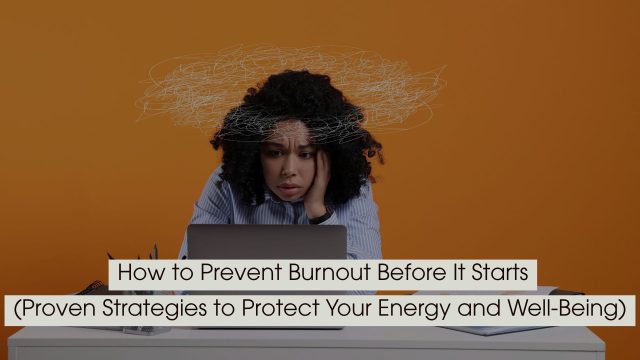
Burnout is typically caused by prolonged stress and imbalance.
Common causes include:
- Excessive workload
- Lack of rest
- Poor boundaries
- High expectations
- Constant pressure
Understanding these causes helps you prevent them.
Why Burnout Prevention Matters
Preventing burnout helps you:
- Maintain energy levels
- Improve focus and productivity
- Protect mental health
- Sustain long-term performance
Prevention is about creating sustainable habits.
Signs You May Be Heading Toward Burnout
Even before burnout fully develops, warning signs appear:
- Feeling constantly tired
- Decreasing motivation
- Difficulty focusing
- Increased stress
Recognizing these early signals allows you to take action.
Proven Strategies to Prevent Burnout
1. Set Clear Boundaries
Boundaries protect your time and energy.
Learn to:
- Say no when necessary
- Limit work hours
- Separate work and personal time
Without boundaries, stress builds quickly.
2. Prioritize Rest and Recovery
Rest is essential—not optional.
Make sure you:
- Get enough sleep
- Take regular breaks
- Schedule time to relax
Recovery helps maintain energy.
3. Manage Your Workload
Avoid overloading yourself.
Focus on:
- Prioritizing important tasks
- Delegating when possible
- Avoiding unnecessary work
A manageable workload reduces stress.
4. Build Sustainable Routines
Consistency should support your well-being—not harm it.
Create routines that include:
- Work
- Rest
- Personal time
Balance is key.
5. Take Regular Breaks
Breaks improve performance and reduce fatigue.
Short breaks during the day help maintain focus.
6. Practice Stress Management
Stress is unavoidable, but manageable.
Use techniques such as:
- Deep breathing
- Exercise
- Mindfulness
These reduce stress levels.
7. Stay Connected to Your Purpose
Burnout often happens when work feels meaningless.
Reconnect with:
- Your goals
- Your values
- Your purpose
Meaning fuels motivation.
8. Protect Your Mental Energy
Limit activities that drain you:
- Excessive screen time
- Constant multitasking
- Negative environments
Focus on what supports your energy.
The Science Behind Burnout Prevention
Burnout is linked to chronic stress and mental overload.
Psychologist Herbert Freudenberger identified burnout as a condition caused by prolonged demands without adequate recovery.
Managing stress and recovery prevents this cycle.
The Balance Formula
Here’s a simple framework: Effort + Recovery + Boundaries = Sustainable Performance
Without recovery and boundaries, effort leads to burnout.
Common Mistakes to Avoid
Ignoring Early Warning Signs
Early signs are often dismissed as normal stress.
Overworking Without Rest
Constant work reduces long-term productivity.
Lack of Boundaries
Saying yes to everything leads to overload.
Neglecting Self-Care
Self-care is essential—not optional.
Building a Burnout-Proof Lifestyle
Prioritize Balance
Work and rest should be equally valued.
Listen to Your Body
Pay attention to fatigue and stress signals.
Stay Consistent
Healthy habits prevent burnout over time.
Adjust When Needed
Be flexible and adapt to your needs.
Why Prevention Is Better Than Recovery
Recovery from burnout can take time.
Prevention allows you to:
- Stay energized
- Maintain productivity
- Avoid long-term stress
It’s easier to maintain balance than to rebuild it.
Conclusion
Burnout prevention is about protecting your energy, managing stress, and creating balance.
By setting boundaries, prioritizing rest, and building sustainable routines, you can avoid burnout and maintain long-term well-being.
Personal development is not about pushing yourself endlessly, it’s about creating a life you can sustain.
Take care of your energy now, so you don’t have to recover later.
Sources and Further Reading
- World Health Organization – Burnout definition
- Herbert Freudenberger – Burnout research
- Freudenberger, H. (1974). Burnout studies
About the Author
David A. Caren is the creator of Emotional Optimization™ – helping high-performing professionals rewire emotional patterns for clarity, calm, and success.
Book a Free Consultation
How can I prevent burnout?
Set boundaries, manage stress, and prioritize rest.
What causes burnout?
Chronic stress, overwork, and lack of recovery.
Is burnout preventable?
Yes, with the right habits and balance.
How do I know if I’m at risk?
Look for early signs like fatigue and reduced motivation.
Why is rest important?
Rest helps maintain energy and prevents exhaustion.

How to Transform Your Life One Day at a Time: Small Daily Changes That Lead to Extraordinary Results
Transform Your Life One Day at a Time: Transforming your life doesn’t happen overnight, it happens one day at a…


How to Develop Unbreakable Self-Discipline: The Ultimate Guide to Building Mental Strength and Consistency
Developing unbreakable self-discipline isn’t about relying on endless motivation or willpower. It’s about building consistent habits, keeping promises to yourself,…
How to Strengthen Your Willpower Every Day: Practical Strategies for Better Self-Control
Strengthening your willpower starts with small, intentional decisions. By reducing distractions, practicing delayed gratification, building supportive routines, and keeping promises…

Personal Development: The Growth Mindset Formula, How to Rewire Your Brain for Success
Personal development begins with one powerful belief: you can improve. The growth mindset formula teaches you how to rewire your…

Personal Development: Why Overthinking Is Holding You Back (And How to Stop)
Overthinking feels safe, but it quietly steals your momentum, confidence, and clarity. The more you analyze, the less you act….
How Stop Negative Self-Talk Permanently
Negative self-talk is not permanent, it is a learned pattern that can be rewired. Through awareness, cognitive restructuring, and self-compassion,…